Showing posts with label health skin. Show all posts

Saturday, April 2, 2016

The health benefits of cabbage include frequent use as a treatment for constipation, stomach ulcers, headaches, obesity, skin disorders, eye disorders, heart diseases, aging, and Alzheimer’s disease.
Did you know that the inexpensive, humble and widely used cabbage can practically work miracles? Cabbage is a leafy vegetable of Brassica family, and is round or oval in shape. It consists of soft, light green or whitish inner leaves covered with harder and dark green outer leaves. It is widely used throughout the world, and can be prepared in a number of ways, but most commonly, it is included as either a cooked or raw part of many salads.
This is how cabbage looks like;
amazing health benefits of cabbage

Cabbage is beneficial in curing various health ailments and a short list of those researched attributes include:

1. Deficiency of Vitamin C

Scurvy is a disease commonly characterized by spongy and bleeding gums, cracked lip corners, weakened immune system, frequent infections and cold, premature aging, and depression.
Remedy: Cabbage is an abundant source of Vitamin C. You might be surprised to know that it is actually richer in vitamin C than oranges, which is traditionally considered the “best” source of that vital nutrient. Vitamin C, as one of the best antioxidants, reduces free radicals in your body that are one of the fundamental causes of premature aging. It also helps in repairing the wear and tear on the body through the course of your life. Therefore, cabbage is very helpful in treating ulcers, certain cancers, depression, immune system boosting, and defending against cough and cold. It can also speed up the healing process for wounds and damaged tissues, regulate the proper functioning of the nervous system, and reduce the effects and presence of Alzheimer’s disease and other degenerative neural diseases.

2. Deficiency of Roughage

This is a very serious deficiency but one that is commonly overlooked in the maintenance of personal health. A lack of roughage in food can result in constipation, which is the root cause of many other ailments and health hazards such as stomach ulcers, headaches, gastrointestinal cancers, indigestion and a subsequent loss of appetite. The dangers of roughage deficiency even extend to skin diseases, eczema, premature aging and hundreds of mild to serious conditions.
Remedy: Cabbage is very rich in fiber, the main health benefit of roughage. This helps the body retain water and it maintains the bulkiness of the food as it moves through the bowels. Thus, it is a good remedy for constipation and other digestion-related problems.

3. Deficiency of Sulphur

Sulphur is a very useful nutrient because it fights infections. A deficiency of sulphur can result in microbial infections and a greatly reduced rate in the healing of wounds.
Remedy: Again, cabbage is rich is sulphur. So, it helps fight infections in wounds and reduces the frequency and severity of ulcers.


Other Health Benefits of Cabbage

1. Cancer Prevention

Cabbage is a member of the Brassica family, also known as cruciferous vegetables. One of their most important celebrated benefits to health is their powerful antioxidant quality. This means that cabbage and other similar vegetables scavenge free radicals from around the body, which can be very detrimental to overall health and are major contributors to things like cancer and heart disease.
Cabbage also has a number of anti-cancer compounds, like lupeol, sinigrin, and sulforaphane, which are known to stimulate enzyme activity and inhibit the growth of tumors, which can lead to cancer. One study, performed primarily on Chinese women, showed a significant reduction in breast cancer when cruciferous vegetables like cabbage were regularly added to their diet.

2. Anti-Inflammatory Properties

Cabbage is known to accumulate a build-up of cadmium-binding complexes in its leaves, and one of the main components of that is glutamine. Glutamine is a strong anti-inflammatory agent, so consuming cabbage can reduce the effects of many type of inflammation, irritation, allergies, joint pain, fever, and various skin disorders.

3. Eye Health

Cabbage is a rich source of beta-carotene, so many people, particularly as they get older, turn to cabbage for its ability to prevent macular degeneration and generally promote good eye health and the delay of cataract formation. Beta-carotene has also been positively linked to reduced chances of prostate cancer, which is an extra bonus on top of the other anti-carcinogenic effects of cabbage!

4. Weight Loss

Cabbage is frequently recommended for people who want to lose weight in a healthy way. Since cabbage is packed with so many beneficial vitamins, minerals, and other nutrients, it is a healthy dietary option for people to eat a lot of, and it is quite filling, since it has high levels of fiber, which add bulk to the bowels. However, cabbage is extremely low in calories, only 33 calories in a cup of cooked cabbage. Therefore, people can go on the popular “cabbage soup” diet, and eat plenty of food to stay healthy, without gaining excess weight!

5. Brain Health

Let’s not forget that cabbage is a very powerful brain food! The presence of Vitamin K and anthocyanins within cabbage can give a strong boost to mental function and concentration. These are primarily found in red cabbage, and vitamin K has been well-researched, although it is often called the “forgotten vitamin”. Vitamin K is essential in the production of sphingolipids, the myelin sheath around around nerves. This wrapping is what protects nerves from damage and decay. Therefore, consuming vitamin K can improve your defense against neural degeneration, Alzheimer’s disease, and dementia.
Furthermore, the anthocyanins in cabbage are a current area of research, but early indications point to it being a more powerful source of antioxidants than vitamin-C, and red cabbage has even more types of anthocyanins than normal cabbage. It also appears that the nutrient uptake is not limited by anything, and that people can eat as much cabbage as they want, and continue to accumulate antioxidants, which help fight off diseases, reduce chances of cancer, improve the nervous system, and increase brain function.

6. Bone Health

Cabbage, as well as all cruciferous vegetables, are great sources of minerals, like calcium, magnesium, and potassium. These three essential minerals are integral in the protection of bones from degradation and the onset of conditions like osteoporosis and general bone weakening.

7. Blood Pressure

The presence of potassium in cabbage also makes it a wonderful way to protect yourself from elevated blood pressure, which increases the risk of heart attack and stroke. Potassium is a vasodilator, which means that it opens up the blood vessels and eases the flow of blood, so it isn’t being forced in a stress-inducing way through constricted arteries and veins. Overall, cabbage is a great shield against many types of dangerous conditions!

8. Skin Care and Premature Aging


As mentioned already, cabbage has a wealth of different antioxidant sources, including vitamin-C, anthocyanins, sulphur, and other smaller sources, since it is a cruciferous vegetable. Antioxidants play a major role in skin health and the general toning and improvement of the body in response to the aging process. Free radicals can be an underlying cause of wrinkles, skin discoloration, spots, and many other conditions. Therefore, the antioxidants you gain by eating cabbage can cause a turn-around in your aging processes, leaving you feeling and looking healthy and young!

9. Muscle Aches

When certain bacteria ferment the sugars in cabbage, such as during the cooking of sauerkraut, lactic acid is released. It isn’t the easiest compound to find in a diet, but it has been shown to reduce muscle soreness and aches, so in some small way, cabbage can help general pain relief and muscle soreness, depending on how it is prepared.

10. Detoxification by cabbage

Cabbage acts as a good detoxifier too, meaning that it purifies the blood and removes toxins, primarily free radicals and uric acid which are primary causes of rheumatism, gout, arthritis, renal calculi, skin diseases, and eczema. This detoxifying effect of cabbage is due to the high content of vitamin C and sulphur in cabbage.

Other benefits of Cabbage

Cabbage, being rich in iodine, helps in proper functioning of the brain and the nervous system, along with keeping the glands of the endocrine system in proper condition. It is good for the brain and is useful in the treatment of neural disorders such as Alzheimer’s disease. The various other nutrients present in cabbage, such as vitamin-E, keep the skin, eyes and hair healthy. The calcium, magnesium, and potassium found in cabbage is very useful for a wide range of health benefits. Cabbage can also be used for the treatment of varicose veins, leg ulcers, peptic and duodenal ulcers.
Basically, that very common component of your Chinese dishes could be a miraculous addition to your diet. Don’t be afraid to add cabbage to your daily diet, whether it is in your soup or salad, and that small change will help you live a healthier and longer life.

Recommendations 

Cooked cabbage is how most people get it into their diet or system, but the cooking actually causes many of the nutrients to be lost, particularly the high levels of vitamin-C, and the other nutrients will become harder for the body to absorb. The best option is to eat the cabbage raw!
Share This Article, Choose Your Platform Bellow.....
Category: articles

Monday, March 28, 2016

The papaya is an incredibly healthy tropical fruit.
Papaya is rich in valuable nutrients and has a delicious taste.
Its strong antioxidant properties may help reduce your risk of many diseases, especially the ones that tend to come with age, such as heart disease and cancer including reduce inflammation,.
It may also defend against aging, helping your skin remain smooth and youthful.
To experience the many benefits of papaya, consider adding this healthy and delicious fruit to your diet.

health benefits of papaya

1. Papaya is Delicious and Loaded With Nutrients

Papaya is the fruit of the Carica papaya plant.
Christopher Columbus reportedly called it “fruit of the angels” because it tasted so good.
The papaya originated in Central America and Southern Mexico, but is now grown in many other parts of the world including Australia.
Papaya contains an enzyme called papain, which can break down the tough protein chains found in muscle meat. Because of this, people have used papaya to tenderize meat for thousands of years.
If the papaya is ripe, it can be eaten raw. However, unripe papaya should always be cooked before eating, especially during pregnancy. That’s because the unripe fruit has a high latex content, which can stimulate contractions.
Papayas are shaped similar to a pear, and can be up to 20 inches long. The skin is green when unripe, and orange when ripe. The flesh inside is yellow, orange or red.
The fruit also has many black seeds seeds inside the center. These are edible, but do have a bitter flavor.
This is what papayas look like:
One small papaya (152 grams) contains:
  • Calories: 59.
  • Carbohydrates: 15 grams.
  • Fiber: 3 grams.
  • Protein: 1 gram.
  • Vitamin C: 157% of the RDI.
  • Vitamin A: 33% of the RDI.
  • Folate (Vitamin B9): 14% of the RDI.
  • Potassium: 11% of the RDI.
  • Trace amounts of calcium, magnesium and vitamins B1, B3, B5, E and K.
Papayas also contain healthy antioxidants called carotenoids. They are especially high in a type of carotenoid called lycopene.
What’s more, these beneficial antioxidants are better absorbed from papayas than from other fruits and vegetables.

2. Papaya May Improve Digestion

The papain enzyme in the fruit can make protein easier to digest.
People in the tropics consider papaya a remedy for constipation and other symptoms of irritable bowel syndrome (IBS).
In one study, people who took a papaya-based formula for 40 days had significant improvement in constipation and bloating.
The seeds, leaves and roots have also been shown to be effective for treating ulcers in animal and human studies.

3. The Fruit is Delicious and Versatile

Papaya has a unique taste that many people love. However, ripeness is key.
An unripe or overly ripe papaya can taste very different from one at its peak of ripeness.
When optimally ripe, papaya should be yellow to orange-red in color, although a few green spots are fine. It should yield to gentle pressure, similar to an avocado.
Like the mango, its flavor is best when cold, so it’s a good idea to keep it refrigerated whenever possible.
It’s also an incredibly versatile fruit.
You can wash it well, cut it in half lengthwise, scoop out the seeds, and eat it out of the rind with a spoon, like cantaloupe or melon.
It can also be combined with other foods that complement its flavor.
Here are a few easy recipe ideas using 1 small papaya:
  • Breakfast: Cut it in half and fill each half with Greek yogurt, then top with a few blueberries and chopped nuts.
  • Appetizer: Cut it into strips and wrap a slice of ham or prosciutto around each strip.
  • Salsa: Chop papaya, tomatoes, onions and cilantro, then add lime juice and mix well.
  • Smoothie: Combine the diced fruit with coconut milk and ice in a blender, then blend until smooth.
  • Salad: Chop papaya and avocado into cubes, add diced cooked chicken and dress with olive oil and vinegar.
  • Dessert: Combine the chopped fruit with 2 tablespoons of chia seeds, 1 cup almond milk and 1 teaspoon vanilla. Mix well and refrigerate before eating.

4. It Protects Against Skin Damage

In addition to keeping your body healthy, papaya can also help your skin look more toned and youthful.
Excessive free radical activity is believed to be responsible for much of the wrinkling, sagging and other skin damage that occurs with age.
The vitamin C and lycopene in papaya protect your skin and may help reduce these signs of aging.
In one study, lycopene supplementation for 10–12 weeks decreased skin redness after sun exposure, which is a sign of skin injury.
In another, older women who consumed a mixture of lycopene, vitamin C and other antioxidants for 14 weeks had a visible and measurable reduction in depth of facial wrinkles.

5. Papaya Fights Inflammation

Chronic inflammation is at the root of many diseases, and unhealthy foods and lifestyle choices can drive the inflammatory process.
Inflammation can be measured by testing several blood markers, including C-reactive protein (CRP), tumor necrosis factor (TNF) and interleukin-6 (IL-6).
Studies have shown that antioxidant-rich fruits and vegetables like papaya help to reduce these inflammatory markers.
For example, one study showed that men who increased their intake of fruits and vegetables high in carotenoids had a significant decrease in CRP.

6. Papaya Has Anti-Cancer Properties

Research suggests that the lycopene in papaya can reduce cancer risk.
It may also be beneficial for people who are being treated for cancer.
Papaya’s cancer-fighting ability appears to be due to its reduction in free radicals that contribute to cancer development and progression.
Additionally, papaya may have some unique effects that aren’t found in other fruits.
Among 14 fruits and vegetables with known antioxidant properties, only papaya demonstrated anti-cancer activity in breast cancer cells.
In a small study of older people with inflammation and precancerous changes of the stomach, a fermented papaya preparation reduced oxidative damage.
However, a lot more research is needed before any recommendations can be made.

7. The Antioxidants in Papaya May Improve Heart Health

Adding more papaya to your diet may be beneficial for your heart.
Studies show that lycopene- and vitamin C-rich fruits may help prevent heart disease.
The antioxidants in papaya may protect your heart and enhance the protective effects of HDL, the “good” cholesterol.
In one study, people who took a fermented papaya supplement for 14 weeks had less inflammation and a better LDL:HDL ratio than people who were given a placebo. An improved ratio is linked to a reduced risk of heart disease.

8. It Has Powerful Antioxidant Effects

Free radicals are reactive molecules created during your body’s metabolism.
They do perform certain important functions, including helping to destroy harmful bacteria.
However, when you have too many of them, your body is said to be in a state of oxidative stress, which can lead to disease.
Antioxidants, including the carotenoids found in papayas, can neutralize free radicals so that they are no longer able to cause harm.
Studies have found that fermented papaya can reduce oxidative stress in the elderly and people with prediabetes, mild hypothyroidism and liver disease.
Also, many researchers believe that excessive free radicals in the brain are an important factor in Alzheimer’s disease.
In one study, Alzheimer’s patients given a fermented papaya extract for 6 months experienced a 40% drop in a biomarker known as 8–OHdG. This marker, which measures oxidative damage to DNA, is also linked to aging and cancer.
The reduction in oxidative stress has been attributed to papaya’s lycopene content and ability to remove excess iron, which is known to produce free radicals.

Upcoming Post

papaya juice

On the next Research, i will come up with Recipe on how to prepare papaya juice and its health benefits. Subscribe to my email updates 
Category: articles

Thursday, February 11, 2016

Who doesn’t want to have a naturally glowing skin and look like a diva? And, if this naturally glowing skin comes at an affordable price by using simple kitchen products, then wouldn’t it be an icing on the cake? Well, in this article we will discuss the benefits of honey on the skin.
Have you ever thought that raw honey can be so much beneficial for your skin? Raw honey is an excellent and incredible product for your skin as it contains antibacterial properties and antioxidants for the nourishment of the skin. Honey helps in moisturizing the skin, fighting against bacteria, acts as an anti-aging item and many more. If you are looking for a less costly treatment of skin that too at home only, then nothing can be as good as raw honey.
 

Honey Is a Gentle Exfoliator

Honey is highly loaded with enzymes, antioxidants, and various other nutrients that cleanse, nourishes and also hydrates the skin. You can mix two tablespoons of honey with baking soda, splash your face with plain water and then rub gently the concoction on your skin in a circular motion and rinse well to get an amazing glow.

Honey Works Wonders for Acne


Honey contains antifungal and antibacterial properties that thwart the bacteria which can lead to a breakout of acne. The anti-inflammatory properties of honey will calm the irritation and redness of the face caused by acne. You can apply honey to the affected area of your face and keep it for 10-15 minutes and after that rinse with hand hot water to get rid of acne.
Also Read   5 fruits improving healthy and glowing

Honey Acts As a natural Cleanser

The enzymes present in honey help to cleanse the skin of the face by keeping the pores clean and clear. The brilliant antibacterial properties of jojoba and honey or coconut oil help to prevent the bacterial buildup which can lead to acne breakouts. Blend raw honey with coconut oil or jojoba oil and apply to the skin in a circular motion apart from the areas around your eyes, and then rinse with tap water. You can do it once or twice a week. This mixture is good to apply on skin for all skin types.

Honey Acts As a Cuticle Moisturizer

Raw honey is fully loaded with enzymes and nutrients for the nourishing and healing skin. Raw honey is very good in drawing moisture to the skin. Mix one spoon of honey with one spoon of apple cider vinegar and coconut oil. Gently rub your face with the concoction and leave it for 5 minutes and then wash it off. The raw honey and coconut oil protects and nourishes the skin while the acetic acid in the apple cedar vinegar usually softens the skin and balance pH for healthy growth of the skin tissues. You can do it regularly to clean your face.

Honey Is a Scar Fade

Honey is known for lightening the skin and is an excellent anti-inflammatory product. This is also an antibacterial compound which helps in decreasing the appearance of scars and increases regeneration and healing of tissue of the skin. The hydrating properties of olive oil or coconut oil and honey helps to revive the cells of the skin while gentle and regular messaging increases the blood circulation to aid recovery of skin and the turnover of the cell. Mix one spoon of raw honey with a spoon of olive oil or coconut oil. Apply to the affected portion of your face and massage it with your fingers in a circular motion for about two to three minutes. Try to place a hot washed cloth on your skin and keep it until it becomes cool. Apply it daily to get rid of any type of scars.

Honey Is an Excellent Moisturizing Mask

Honey acts as natural humectants that draw moisture from the air into your skin and assures it’s reserved in the layers of skin tissues so that the skin remains hydrated. You can spread raw honey on your dry or clean skin and leave for at least 20 minutes. Rinse it well. Try to do it regularly for better results.

Honey Is an Excellent way to rejuvenate stressed skin

If you feel that your skin is extensively stressed due to exposure to the sunlight and pollution, then you can apply honey on your skin lightly for getting an excellent effect of the less stressed skin. You can take a small amount of honey onto a cotton swab and apply it lightly to your face. If you really want to get little bit extra boost up for your dull skin, then you can also mix honey with tea tree oil or lavender oil for getting an additional effect of natural glowing.

Honey Bath

Honey can help you to get rid of dry skin during the time of winter. During the time of season change, your skin can get dry. A warm bath will help you to give a soothing effect, and it will help your skin to stay away from dryness. You can add one cup of honey to a tub of water for a bath for creating a smoothening effect on your body. Keep it for about 10 minutes and add a cup of baking soda for helping you to get rid of dead cells without any kind of irritation.

Honey Helps for Reducing Pimples

Honey is very much beneficial for your skin and helps to get rid of pimples as well.  If you have pimples on your face and just want to get rid of it, then follow the below-mentioned procedure. Make a paste of cinnamon powder and honey and dab it in the area of pimples, let it stay for a long time and afterwards wash it with lukewarm water. Try it daily to get rid of pimples immediately.

Also Read    health benefits of honey that Heal Your Whole Body
Category: articles

Thursday, January 21, 2016

fruits in your daily diet can give you health and glowing skin. 

Eating fruits helps in skin rejuvenation, natural hydration and improvement of skin texture. It also gives you a clear complexion and makes the skin appear youthful and glowing. Fruits have no side effects and are cost-effective at the same time. They are free from toxins and have a host of skin and health benefits.

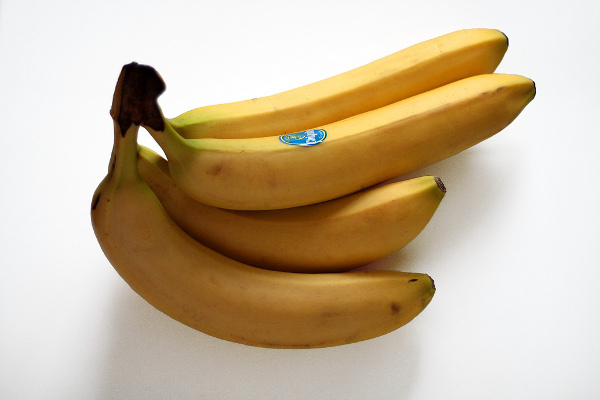
1. Banana


 Bananas, being rich in Vitamin A, Vitamin B and Vitamin E, act as an anti-ageing agent. Opt for a face pack comprising a freshly-mashed banana mixed with honey to get glowing skin. They are a rich source of fiber, minerals, magnesium and potassium, which aid proper blood circulation in our body and build immunity. Bananas are a great substitute for unhealthy snacks we tend to eat in-between meals.

2. Lemon

 It has a high Vitamin C content and natural bleaching properties, making it a good cleanser that lightens blemishes, acne scars, spots and skin tone. Start your day by drinking a glass of warm water mixed with a dash of lemon juice and 1 teaspoon of honey. This fights cellulite and clears your skin from within.

3. Oranges

 Oranges are a rich source of Vitamin C, and help in improving the skin texture. They remove blemishes and slow down the process of ageing naturally. Dry orange peels and powder them; store the powder in an airtight container. Use this as a natural scrub once or twice a week to get clear and glowing skin.

4. Apple 


apples for glowing and healthy skin

 The high antioxidant content in apples prevents cell and tissue damage, and aging. It helps minimize wrinkles and fine lines, keeping the bowels clean. Apply apple juice mixed with honey on your face; let it dry, and wash off. This is a very good hydrating face mask.

5. Papaya


A rich source of antioxidants and an enzyme called papain, papaya can banish skin impurities and remove dead skin cells when used on the skin topically.
Rub your face gently with the inside of the papaya for about a minute to exfoliate, cleanse and soften your skin. Alternatively, blend papaya and 2 tablespoons of either honey or yogurt and use this mixture as a mask. Rinse with lukewarm water after 20 minutes and follow up with a moisturizer.

Papaya Fruit Pack For Glowing And Rejuvenated Skin:

Mash the fruit into a pulp and massage it on damp skin for around 20 minutes. Wash it off.
Other ingredients that also help in skin care:
  1. Honey – Moisturizes and prevents acne
  2. Lemon juice – Fades scars
  3. Ground Oats – Best for scrubbing
  4. Green tea extract – Rejuvenates skin
  5. Yogurt – Reduces skin tanning
  6. Orange juice – Fades scars

Important Points To Remember:

1. Massaging the skin with the fruit pulp will increase the blood flow, helping your skin absorb the fruit properties better.
2. Ensure that your skin is clean before application.
3. Make sure that you moisturize the skin post-wash.
4. Use these homemade fruit face masks regularly for an improvement in skin texture and tone.
Category: articles
Fashion,Fashion Style Ttrends, hair Style, Fashion Style, Fashion Style Fashion,Fashion Style Ttrends, hair Style, Fashion Style, Fashion Style 2015