Showing posts with label family care. Show all posts

Tuesday, March 29, 2016

Lemon juice is loaded with healthy vitamins so it is useful as both a food and as a home remedy for many disorders. What is less well known is that lemon juice also has many benefits when applied directly to the skin. What are those benefits? How to apply lemon juice for optimum results?


 Health Benefits Of Lemon Juice.

The acids in the juice may be irritating to some people so be sure to dilute lemon juice with water before applying it to your skin. Some of the benefits of lemon juice on skin include:

1. Diminishes scars and age spots


The discoloration caused by scars, certain skin disorders and age spots can be diminished by applying lemon juice to the discolored area. It may be helpful to apply at bedtime and leave the lemon juice on the skin over night.

2. Heals acne


Lemon juice has natural antibacterial properties that make it a good choice to help cure acne and prevent further breakouts. Using lemon juice on blackheads has been shown to reduce the frequency and severity of blackheads. If you leave lemon juice on the acne and blackheads over night, be sure to wash it off in the morning.

3. Exfoliates

Lemon juice is a natural exfoliant since the citric acid acts as a gentle "skin peel" that removes the top layer of dead skin cells. This will result in a smooth complexion when used regularly.

4. Other benefits

Other benefits of using lemon juice on the skin may include brightening or lightening the skin, moisturizing and toning oily skin, and fighting wrinkles.

How to Use Lemon Juice on Skin

1. Fade age spots

Use lemon juice or diluted lemon juice directly to the age spots at bedtime. Wash it off in the morning. If you have age spots on multiple areas of your body, run a warm bath and add 1/2 cup of lemon juice. Soak in the bath for 15-20 minutes. It is not necessary to rinse after this bath unless your skin is excessively dry.

2. Brighten the skin

If you have discolored or rough skin on your knees, elbows and heels, try using fresh lemon juice on the affected area. Leave the lemon juice on your skin over night.

3. Remove blackheads

For removal of occasional blackheads, rub straight lemon juice on the blackheads every night until they disappear. Be sure to rinse the lemon juice off with cool water in the morning.

4. Moisturize your skin

If you have excessively dry skin, you can use lemon juice, olive oil and honey to moisturize your skin. Mix equal amounts of the ingredients and apply to the dry areas. Leave the mixture on for 10-15 minutes then rinse with warm water.

5. Tone oily skin

Mixing lemon juice with vodka, water and witch hazel will produce a solution that will help tone oily skin. Mix 2 tablespoons of lemon juice, 1-tablespoon water, 2 tablespoons vodka and 1 teaspoon of witch hazel. Mix well and apply to the oily areas of your skin. Rinse with cool water.

6. Exfoliate

Using a lemon cut into quarters, dip a piece of lemon into a small amount of sugar. Rub the cut lemon over your face to help remove the top layer of dead cells. You can also combine lemon juice, sugar and water into a paste and apply the paste. Rinse with cool water.

7. Fight wrinkles

Add a few drops of lemon juice and a drop of almond oil to a teaspoon of honey and mix well. Put this mixture on your face for 15-20 minutes then rinse off with cool water. Use this over several days to remove the fine wrinkles around your eyes, but do not get the mixture in your eyes!

8. Cure acne

Finally, use lemon juice on your skin to fight acne. As a natural antibacterial, lemon juice can fight the bacteria that cause acne. Apply full strength lemon juice directly to the acne or dilute with water if the juice stings. The antioxidant L-ascorbic acid in lemons is the active ingredient in other acne products -- at a fraction of the cost! Use about 2 teaspoons of lemon juice and apply to the acne. Leave it on your skin for about 30 minutes or overnight if you can. Be sure to wash it off with cool water. 

Tips and Warnings for Using Lemon Juice on Skin

There are some tips and warnings for using lemon juice on your skin:

1. Stinging sensation

Lemon juice may produce stinging due to the citric acid in the juice. Mix the lemon juice with some water if you cannot tolerate the burning and stinging. Start by mixing the lemon juice and water in a half and half solution and then adjust the mixture based on how your skin feels.

2. Dry skin

Lemon juice applied to already dry skin can actually make that condition worse. If you do have dry skin, be sure to use a good moisturizer after applying lemon juice to your skin. Lemon juice and honey also make for a good antibacterial and moisturizing combination. If your skin is oily, try combining the lemon juice with some cucumber juice.

3. Interference with topical treatments

Although lemon juice has been shown to have antibacterial properties, be sure to consult your healthcare provider if you are using any other topical skin treatments. Lemon juice may actually interfere with other medications you are using on your skin.

4. The right frequency

Using lemon juice on your skin every day may lead to dry, broken skin that is more susceptible to infection. Until you know how the lemon juice affects your skin, use it on your skin no more than every other day. The effect you are looking for may take a little longer, but you will be less likely to suffer some of the side effects.

5. Keeping off sun exposure

When using lemon juice on the skin, be sure to stay out of the sun and use a high SPF sunscreen when you must be outside. Lemon juice on the skin will make your skin more prone to sunburn and the resulting damage that can occur.


Category: articles

Tuesday, February 16, 2016

Without a doubt, a nutritious, well-balanced eating plan can be one of the greatest gifts you give to your developing baby. Pregnancy nutrition is essential to a healthy baby. Ideally, adopting a healthy eating plan before pregnancy is best.
No matter how many weeks are left on your countdown calendar, it’s never too late to start! Supplying your own body with a tasty blend of nutritious foods can improve your fertility, keep you feeling healthy during pregnancy, and pave the way for an easier labor.


It can also help to establish essential building blocks of growth and overall health for your child.
The food we eat on a daily basis affects how our bodies work, how we heal and grow, and how we maintain energy and strength for years to come. It also determines the basic nutritional health that our children are born with, and provides a model for their eating habits during childhood and beyond.
Pregnancy is the one time in your life when your eating habits directly affect another person. Your decision to incorporate delicious vegetables, whole grains and legumes, lean protein, and other wise food choices into your eating plan before and during pregnancy will give your baby a strong start in life.

Pregnancy Nutrition: Weight Change and Calories

Your body will gain weight during your pregnancy! As you watch your weight begin to increase, take it as proof that your body is nurturing your growing baby. By the time you are ready to give birth, your total blood volume will have increased by as much as 60%.
Your breasts will have filled with milk. Your uterus will have grown to accommodate your baby and has filled with amniotic fluid. Your baby has grown to weigh 6 to 10 pounds (on average). To accomplish all of these productive changes, your body needs approximately 300 extra calories per day during your 2nd and 3rd trimester of pregnancy.

 Every woman should discuss her individual nutritional needs with her health care provider. Do not neglect your baby’s health by neglecting your own!


Myth: Now that you are pregnant, you should be eating for two.
Fact: It is true that your nutrient needs increase, but energy requirements only increase by about 300 calories per day for the second and third trimester of pregnancy.


Myth: Gaining less weight during pregnancy will make delivery easier.
Fact: Mothers who do not gain enough weight during pregnancy place their babies at risk for severe complications such as premature birth, which can cause lung and heart problems.

Pregnancy Nutrition: Food Groups


It is helpful to pay attention to recommended daily servings from each food group. Most foods come with a nutrition label attached. This nutrition label will help you to know what amount constitutes one serving.

Protein

Experts recommend 75 to 100 grams of protein per day. Protein positively affects the growth of fetal tissue, including the brain. It also helps your breast and uterine tissue to grow during pregnancy, and it plays a role in your increasing blood supply.
Examples of daily sources of protein:
2-3 servings of meat (1 serving = approximately 3 ounces/size of a deck of cards)

fully cooked fish or seafood, liver, chicken, lean beef, lamb, pork, nuts (1 serving = approximately ⅓ cup), tofu (1 serving = approximately ½ cup)

2-3 servings of legumes (1 serving = approximately ½ cup)


split peas, red and white kidney beans, black beans, navy beans, black-eyed peas, chick peas (garbanzo beans)

Calcium

The daily requirement of calcium is around 1000 milligrams during pregnancy.  Calcium helps your body regulate fluids, and it helps build your baby’s bones and tooth buds.
Examples of daily sources of calcium:
3-4 servings of dairy

milk (1 serving = 1 cup)
eggs (1 serving = 1 large egg)
yogurt (1 serving = 1 cup)
pasteurized cheese (1 serving = approximately 1.5 ounces or 4 playing dice stacked together)
tofu (1 serving = ½ cup)
white beans (1 serving = approximately ½ cup)
almonds (1 serving = approximately ⅓ cup)
salmon (1 serving = approximately 3 ounces)
turnip greens (1 serving = approximately 1 cup)
cabbage (1 serving = approximately 1 cup)

Iron

In combination with sodium, potassium, and water, iron helps increase your blood volume and prevents anemia. A daily intake of 27 milligrams is ideal during pregnancy.
Examples of daily sources of iron:
2-3 servings of green leafy vegetables (1 serving = approximately 1 cup)

collard, turnip, spinach, lettuce, cabbage

3 servings of whole grains (1 serving = approximately ½ cup or one slice)


cornmeal, cereal, bread, oatmeal

2-3 servings of lean protein (1 serving = approximately 3 ounces/size of a deck of cards)


beef, seafood, poultry

Folate/Folic Acid

Folic acid plays a key role in reducing the risk of neural tube defects, including spinach bifida. Experts recommend 600 to 800 micro-grams (.6 to .8 milligrams) daily.
Examples of daily sources of folate:
2 servings of dark green leafy vegetables (1 serving = approximately 1 cup)

collard, turnip, spinach, lettuce, cabbage

2-3 servings of fruit (1 serving = approximately ½ cup)


orange, strawberry, lemon, mango, tomato, grapefruit, kiwi, melon

3 serving of whole grain (1 serving = approximately ½ cup or 1 slice)


bread, cornmeal, cereal, oatmeal

2 servings of legumes (1 serving = approximately ½ cup)


split peas, red and white kidney beans, black beans, navy beans, black-eyed peas, chick peas (garbanzo beans)

Vitamin C

Fruits and vegetables rich in Vitamin C will promote wound healing, tooth and bone development, and metabolic processes. Experts recommend at least 85 milligrams per day.
Examples of daily sources of Vitamin C:
3 servings of fruit or vegetables (1 serving = approximately ½ cup)

orange, strawberry, lemon, mango, tomato, grapefruit, melon, potato, peppers

Other Nutritional Concerns

During pregnancy, some foods can cause harm to a developing baby. Be sure that all meats are thoroughly cooked to avoid exposure to toxoplasmosis, salmonella, and other harmful bacteria. Eliminate tobacco smoke, drug use, and alcohol consumption from your diet.
Reduce or eliminate caffeinated beverages (soda, coffee) from your daily intake, and maintain a reasonable exercise program throughout your pregnancy. Walking and swimming are considered healthy activities during pregnancy, but always consult with your health care provider before starting a new exercise program.

Category: articles

Saturday, February 13, 2016

Eating nutritious foods can improve your health and energy levels.
Surprisingly, the way you cook your food has a major effect on the amount of nutrients in it.
This article will explore how the different cooking methods affect the nutrient content of foods.

Nutrient Content is Often Altered During Cooking
Cooking food improves digestion and increases absorption of many nutrients.For example, protein in cooked eggs is 180% more digestible than in raw eggs.
However, several key nutrients are reduced with some cooking methods.

Nutrients That May Decrease


The following nutrients are often reduced during cooking:
Water-soluble vitamins: vitamin C and the B vitamins — thiamin (B1), riboflavin (B2), niacin (B3), pantothenic acid (B5), pyridoxine (B6), folic acid (B7) and cobalamin (B8).
Fat-soluble vitamins: vitamins A, D, E and K.
Minerals: primarily potassium, magnesium, sodium and calcium.
Nutrients That May Increase
These nutrients can increase with certain types of cooking:
Antioxidants: molecules that protect other molecules from oxidation, which can damage cells.
Phytochemicals: substances found in plant foods that can affect your health.

Boiling, Simmering and Poaching

Boiling, simmering and poaching are similar methods of water-based cooking.
These techniques differ by water temperature:
Poaching: less than 180°F/82°C.
Simmering: 185-200°F/85-93°C.
Boiling: 212°F/100°C.
Vegetables are generally a great source of vitamin C, but a large amount of it is lost when cooked in water.
In fact, boiling reduces vitamin C more than any other cooking method. Broccoli, spinach and lettuce may lose up to 50% or more of their vitamin C when boiled.
Because vitamin C is water-soluble and sensitive to heat, it can leach out of vegetables when they’re immersed in hot water.
B vitamins are similarly heat sensitive. Up to 60% of thiamin, niacin and other B vitamins may be lost when meat is simmered and its juices run off.
However, when the liquid containing these juices is consumed, 100% of the minerals and 70-90% of B vitamins are retained.
On the other hand, boiling fish was shown to preserve omega-3 fatty acid content significantly more than frying or microwaving.

Roasting and Baking

Roasting and baking refer to cooking food in an oven with dry heat.
Although these terms are somewhat interchangeable, the term “roasting” is typically used for meat while “baking” is used for bread, muffins, cake and similar foods.
Most vitamin losses are minimal with this cooking method, including vitamin C.
However, due to long cooking times at high temperatures, B vitamins in roasted meat may decline by as much as 40%.

Frying

Frying involves cooking food in a large amount of fat, usually oil, at a high temperature. The food is often coated with batter or bread crumbs.
It’s a popular way of preparing food because the skin or coating maintains a seal, which ensures that the inside remains moist and cooks evenly.
The fat used for frying also makes the food taste very good.
However, not all foods are appropriate for frying.
Fatty fish are the best sources of omega-3 fatty acids, which have many health benefits. These fats are very delicate and prone to damage at high temperatures.
Frying tuna has been shown to degrade its omega-3 content by up to 70-85%, while baking caused only minimal losses.
In contrast, frying preserves vitamin C and B vitamins, and it may also increase the amount of fiber in potatoes by converting their starch into resistant starch.
When oil is heated to a high temperature for a long period of time, toxic substances called aldehydes are formed. Aldehydes have been linked to an increased risk of cancer and other diseases.
The type of oil, temperature and length of cooking time affect the amounts of aldehydes produced. Reheating oil also increases aldehyde formation.
If you’re going to fry food, don’t overcook it, and use one of the healthiest oils for frying.

Steaming

Steaming is one of the best cooking methods for preserving nutrients, including water-soluble vitamins that are sensitive to heat and water.
Researchers have found that steaming broccoli,spinach and lettuce reduces their vitamin C content by only 9-15%.
The downside is that steamed vegetables may taste bland. However, this is easy to remedy by adding some seasoning and oil or butter after cooking.
Try this easy recipe for steamed broccoli with suggested additions to improve the flavor.

Tips to Maximize Nutrient Retention During Cooking

  1. Use as little water as possible for poaching or boiling.
  2. Consume the liquid left in the pan after cooking vegetables.
  3. Add back juices from meat that drip into the pan.
  4. Don’t peel vegetables until after cooking them. Better yet, don’t peel at all to maximize fiber and nutrient density.
  5. Cook vegetables in smaller amounts of water to reduce loss of vitamin C and B vitamins.
  6. Try to finish cooked vegetables within a day or two, as vitamin C content may continue to decline when the cooked food is exposed to air.
  7. Cut food after rather than before cooking, if possible. When food is cooked whole, less of it is exposed to heat and water.
  8. Cook vegetables for only a few minutes whenever possible.
  9. When cooking meat, poultry and fish, use the shortest cooking time needed for safe consumption.
  10. Don’t use baking soda when cooking vegetables. Although it helps maintain color, vitamin C will be lost in the alkaline environment produced by baking soda.
Recommendation:It’s important to select the right cooking method to maximize the nutritional quality of your meal.
However, there is no perfect method of cooking that retains all nutrients.
In general, cooking for shorter periods at lower temperatures with minimal water will produce the best results.
    Share This Article, Choose your Platform.....
    Category: articles

    Thursday, February 11, 2016

    Pumpkin seeds contain a wide range of essential nutrients that can keep you healthy and fit. You can have pumpkin seeds as snacks; all you have to do is dry the seeds and keep it aside. This is how pumpkin is beneficial for your health.

    The Health Benefits of Pumpkin Seeds


    Given below are the most popular Health Benefits of Pumpkin Seeds. Have a look and include the pumpkin seeds in your daily diet regime to get a healthy body.

    Good for your heart
    The rich magnesium content in Pumpkin seeds is beneficial for your heart. It helps in the creation of ATP more commonly known as Adenosine Triphosphate which provides energy that your body needs to function. It also helps in maintaining proper bowel functions, relaxes your blood vessels thereby helping in the proper pumping of your heart. It is also responsible for maintaining your bone health.

    Gives you a peaceful sleep
    The seeds of Pumpkin contain an amino acid known as Tryptophan that gets converted into Serotonin, which is then broken into another sleep-inducing hormone known as Melatonin. Take a few of the seeds before bedtime and you can get a peaceful sleep to relieve all your daily stresses.
    Good-Quality-Sleep


    Helps produce Good Cholesterol
    Research has shown that the seeds of the pumpkin are rich in Phytoestrogens that helps in the production of good Cholesterol HDL that relieves you from many complications after you have your menopause.

    Reduces the production of bad Cholesterol
    The seeds obtained from Pumpkin are a rich source of Phytosterols which are compounds that can reduce the levels of the bad Cholesterol more commonly known as LDL.

    Keeps your Liver functions right
    As it has healthy fats, fibres and antioxidants in the correct proportions, it helps in the proper functioning of your Liver.

    Curing Arthritis
    The seeds of Pumpkin have an anti-inflammatory effect and thus can be helpful to get rid of joint pains and arthritis.
    It works as a powerful Anti-Diabetic Drug
    The seeds of Pumpkin can cure diabetes by regulating the production of Insulin in your body and by decreasing your Oxidative stress that is also a dreadful cause for Diabetes.

    Improves your Immunity
    Zinc present in the seeds of pumpkin helps to keep proper immunity of your body so that your body can fight the germs and viruses. It is also responsible for proper cell growth and cell division in your body. It improves your taste by maintaining a proper appetite, it improves your sight and also relieves you from fatigue and depression by keeping your mood swings in control.

    Treatment for Prostate problems in Males
    The high Zinc content helps to cure complications in the health of adult males. It cures complications like Benign Prostrate Hyperplasia or BPH where the Prostate gland enlarges creating a lot of complications and difficulties in urination.

    Excellent source of ALA
    It is a plant based Omega -3s fats that are more commonly known as alpha-linolenic acid (ALA).  Omega- 3s fats help you to keep a normal metabolism.

    Cures Potassium Deficiency
    The seeds of Pumpkin help in boosting up the level of potassium in your body. The Proper amount of Potassium is needed by the body to help in the proper contraction of the muscles, maintaining the blood pressure level and regulating the body fluids. It also reduces the risk of Kidney stones from recurring and also maintains the bone health.

    Natural treatment for Parasites
    The seed of Pumpkin has been proved very beneficial in the treatment for microbes and parasites like tapeworm and many other of its kind.

    Rich source of Vitamin K
    There are a whole lot of Health Benefits of Pumpkin Seeds; among those, this is one. When you suffer from an injury, Vitamin K provides for the timely coagulation of your blood to stop the bleeding. It also helps in faster healing of the skin after the injury.
    Thus, Pumpkin Seeds benefits cannot be ignored. Just have it as your afternoon snacks and see the best results that it can give you.
    Category: articles

    Wednesday, February 10, 2016


    Nutrient deficiencies can cause developmental delays in children.
    Making sure your child receives good nutrition will provide him the best chance to grow and develop properly. Although each essential nutrient plays a role in childhood development, deficiencies in certain key nutrients are detrimental to your child’s health. The U.S. Department of Agriculture reports that up to 15 percent of families in the U.S. may not be able to acquire adequate food to meet nutritional needs.


     1. Protein

    essential nutrients for proper groeth of child

    Most children in developed countries eat enough protein ( Vice versa in Developing Countries ). However, children following a vegan diet or children of neglect have an increased risk of developing protein malnutrition, or kwashiorkor. Failure to gain weight and grow, increased irritability, decreased muscle mass, fatigue and a weakened immune system are symptoms of protein deficiency, according to MedlinePlus. The Institute of Medicine is a good resource to help determine your child’s individualized protein needs, which range from 13 to 52 grams per day depending on your child's gender and age. Good sources of protein for children include poultry, lean meat, eggs, dairy foods, legumes, nuts, peanut butter and seeds. If your child is younger than age 2, ask your pediatrician before offering him nuts, seeds and peanut butter, and avoid tough cuts of meat.

    2. Iron

     According to the Centers for Disease Control and Prevention, the most common nutrient deficiency in the World is iron deficiency. Iron needs increase during rapid growth and development, especially in young children. Iron-deficiency anemia in children can lead to cognitive and motor delays. Iron-rich foods include lean meat, poultry, especially dark meat, iron-fortified breakfast cereals, leafy greens, legumes and raisins. Your child's iron needs range from 7 to 15 milligrams per day depending on his gender and age.

    3. Vitamin D


    Vitamin D plays many important roles in the human body, but is mainly responsible for bone health. A study published in a 2009 edition of “Pediatrics” reports that 9 percent of children in the United States are deficient in vitamin D. Vitamin D is present in fish, dairy products and egg yolks; your child can also obtain vitamin D from being exposed to sunlight. The daily recommended intake of vitamin D for children ages 1 to 18 is 15 micrograms per day.

    4. Calcium

    essential nutrients for proper growth of child

    Calcium helps your child’s bones grow and develop normally; it is also responsible for muscle function, intracellular signaling, nerve transmission and hormone secretion, according to the Office of Dietary Supplements. Calcium is abundant in dairy products such as milk, cheese, yogurt and cottage cheese, and calcium-fortified breakfast cereals and beverages. The recommended daily intake of calcium is 700 milligrams for kids ages 1 to 3; 1,000 milligrams for kids ages 4 to 8; and 1,300 milligrams per day for ages 9 to 18. 

    5. Omega-3s

    essential nutrients for proper growth of child

    DHA ( Docosahexaenoic acid ) and EPA (Eicosapentaenoic acid  ) are the two main essential omega-3 fatty acids, responsible for proper cognitive development in children. These omega-3s are abundant in fish, fish oil and algal oils. However, contaminants such as mercury are also present, in varying amounts, in fish and seafood. The Food and Drug Administration recommends children limit fish consumption to 12 ounces of low-mercury selections, such as salmon, canned light tuna, pollock, shrimp and catfish, per week. Ask your pediatrician about giving your child a purified DHA supplement, which is free from harmful levels of contaminants. According to the American Pregnancy Association, children ages 1.5 to 15 need 15 milligrams of DHA plus EPA per pound of body weight each day, and children ages 15 and up need at least 500 milligrams of DHA plus EPA every day.

    Bottom Line:  (AHD) Docosahexaenoic acid is an omega-3 fatty acid that is a primary structural component of the human brain, cerebral cortex, skin, sperm, testicles and retina.
    (EPA) Eicosapentaenoic acid, It is obtained in the human diet by eating oily fish or fish oil, e.g. cod liver, herring, mackerel, salmon, menhaden and sardine, and various types of edible seaweed and phytoplankton
    Category: articles

    Tuesday, February 9, 2016

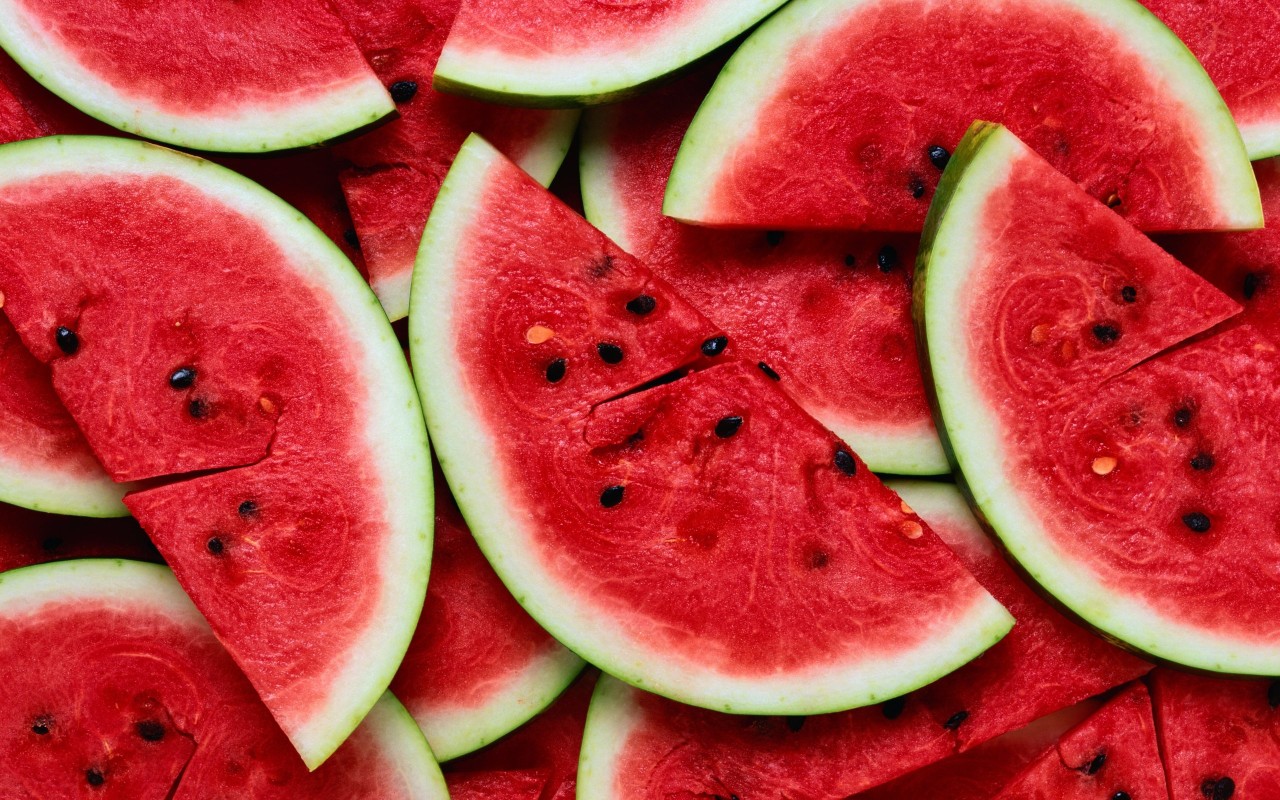
    Despite popular belief that watermelon is made up of only water and sugar, watermelon is actually considered a nutrient dense food, a food that provides a high amount of vitamins, minerals and antioxidants for a low amount of calories.
    Watermelons have become synonymous with summer and picnics, and for good reason. Their refreshing quality and sweet taste help to combat the heat and also provide a guilt-free, low maintenance dessert for kids and adults alike to enjoy.


    Possible health benefits of watermelon

    Consuming fruits and vegetables of all kinds has long been associated with a reduced risk of many lifestyle-related health conditions. Many studies have suggested that increasing consumption of plant foods like watermelon decreases the risk of obesity and overall mortality, diabetes, heart disease and promotes a healthy complexion and hair, increased energy, overall lower weight.

    Along with cantaloupe and honeydew, watermelons are a member of the botanical family Cucurbitaceae.

     1. Asthma Prevention

      The risks for developing asthma are lower in people who consume a high amount of certain nutrients. One of these nutrients is vitamin C, found in many fruits and vegetables including watermelon.

    2. Blood pressure

     A study published by the American Journal of Hypertension found that watermelon extract supplementation reduced ankle blood pressure, brachial blood pressure and carotid wave reflection in obese middle-aged adults with prehypertension or stage 1 hypertension and that watermelon extract improved arterial function.
    Diets rich in lycopene may help protect against heart disease.

    3. Cancer

    As an excellent source of the strong antioxidant vitamin C as well as other antioxidants, watermelon can help combat the formation of free radicals known to cause cancer. Lycopene intake has been linked with a decreased risk of prostate cancer prevention in several studies.

    4. Digestion and regularity

      Watermelon, because of its water and fiber content, helps to prevent constipation and promote regularity for a healthy digestive tract.

    5. Hydration 

    Made up of 92% water and full of important electrolytes, watermelon is a great snack to have on hand during the hot summer months to prevent dehydration. 

    6. Inflammation

      Choline is a very important and versatile nutrient in watermelon that aids our bodies in sleep, muscle movement, learning and memory. Choline also helps to maintain the structure of cellular membranes, aids in the transmission of nerve impulses, assists in the absorption of fat and reduces chronic inflammation.

    7. Muscle soreness

     Watermelon and watermelon juice have been shown to reduce muscle soreness and improve recovery time following exercise in athletes. Researchers believe this is likely do to the amino acid L-citrulline contained in watermelon.

    8. Skin

    Watermelon is also great for your skin because it contains vitamin A, a nutrient required for sebum production that keeps hair moisturized. Vitamin A is also necessary for the growth of all bodily tissues, including skin and hair.
    Adequate intake of vitamin C (one cup of watermelon provides 21% of daily needs) is also needed for the building and maintenance of collagen, which provides structure to skin and hair. Watermelon also contributes to overall hydration, which is vital for having healthy looking skin and hair.

    Category: articles
    Fashion,Fashion Style Ttrends, hair Style, Fashion Style, Fashion Style Fashion,Fashion Style Ttrends, hair Style, Fashion Style, Fashion Style 2015